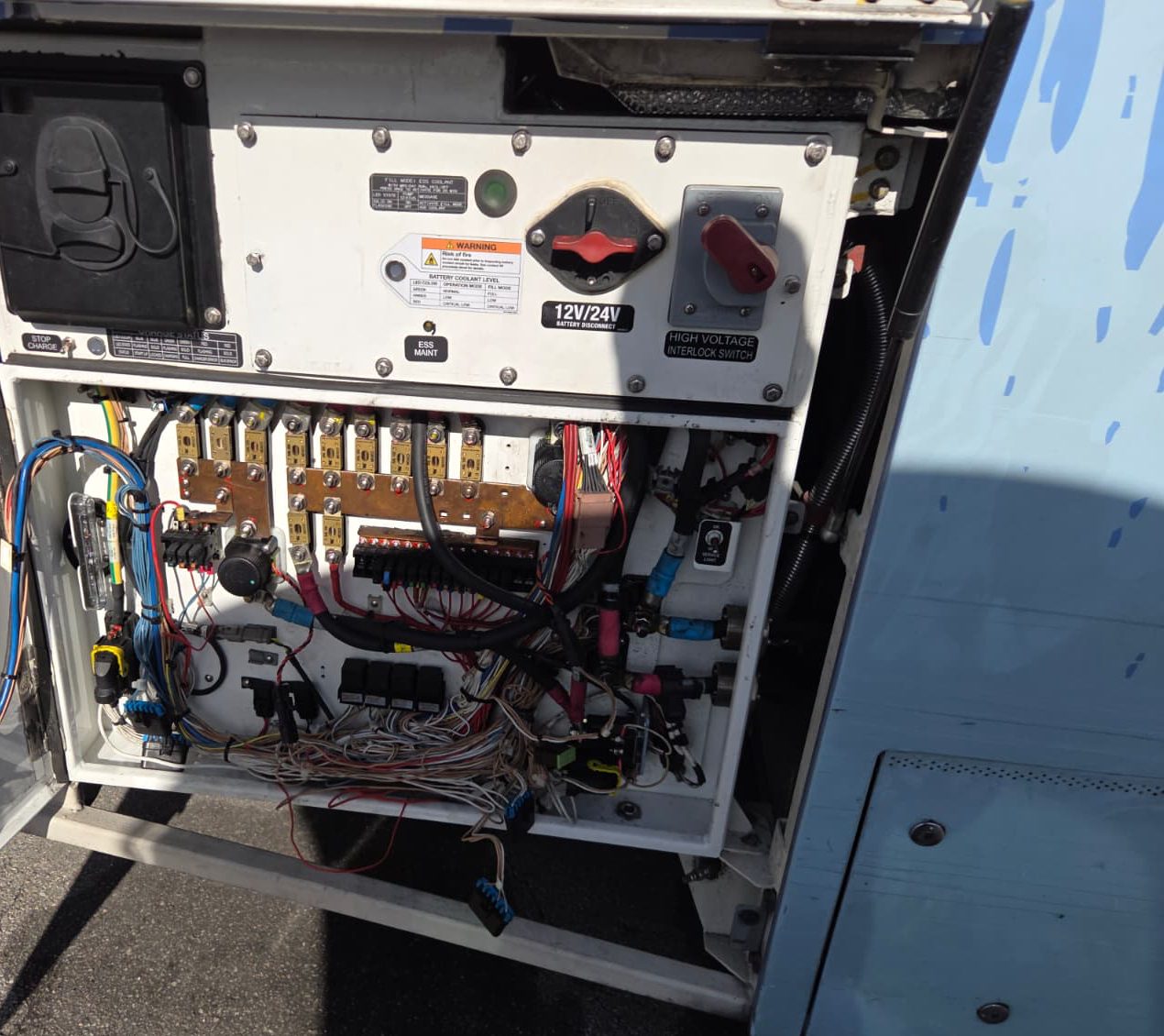
Prototype electric transit bus
Prototype electric bus that would not start, fixed with a software rollback
By Sebastian Rivera
The short answer
This prototype electric bus would not start because a software update had changed its starting logic. The no-start began right after the update, but no one had connected the 2. Flashing the software back 1 revision got the bus running in 6 hours, with no parts needed.
- Down
- 1.5 months
- Found and fixed
- 6 hrs
- Technicians before
- 4
- Vehicle
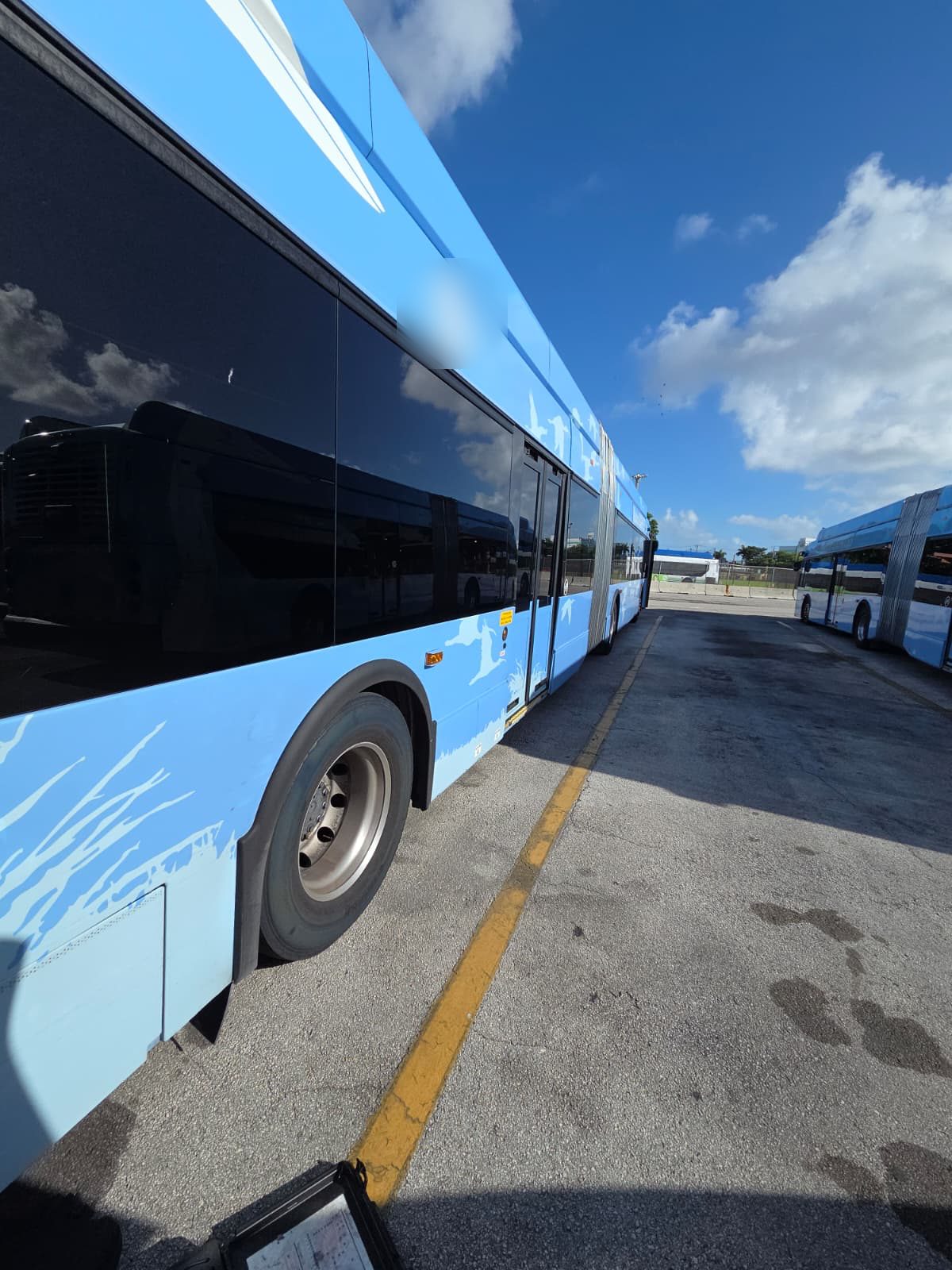
- Prototype electric transit bus
- Symptom
- No start
- Already tried
- 4 technicians worked on it for days, at $45 an hour. The same parts were replaced twice, about $600, and it still would not start.
How it was found
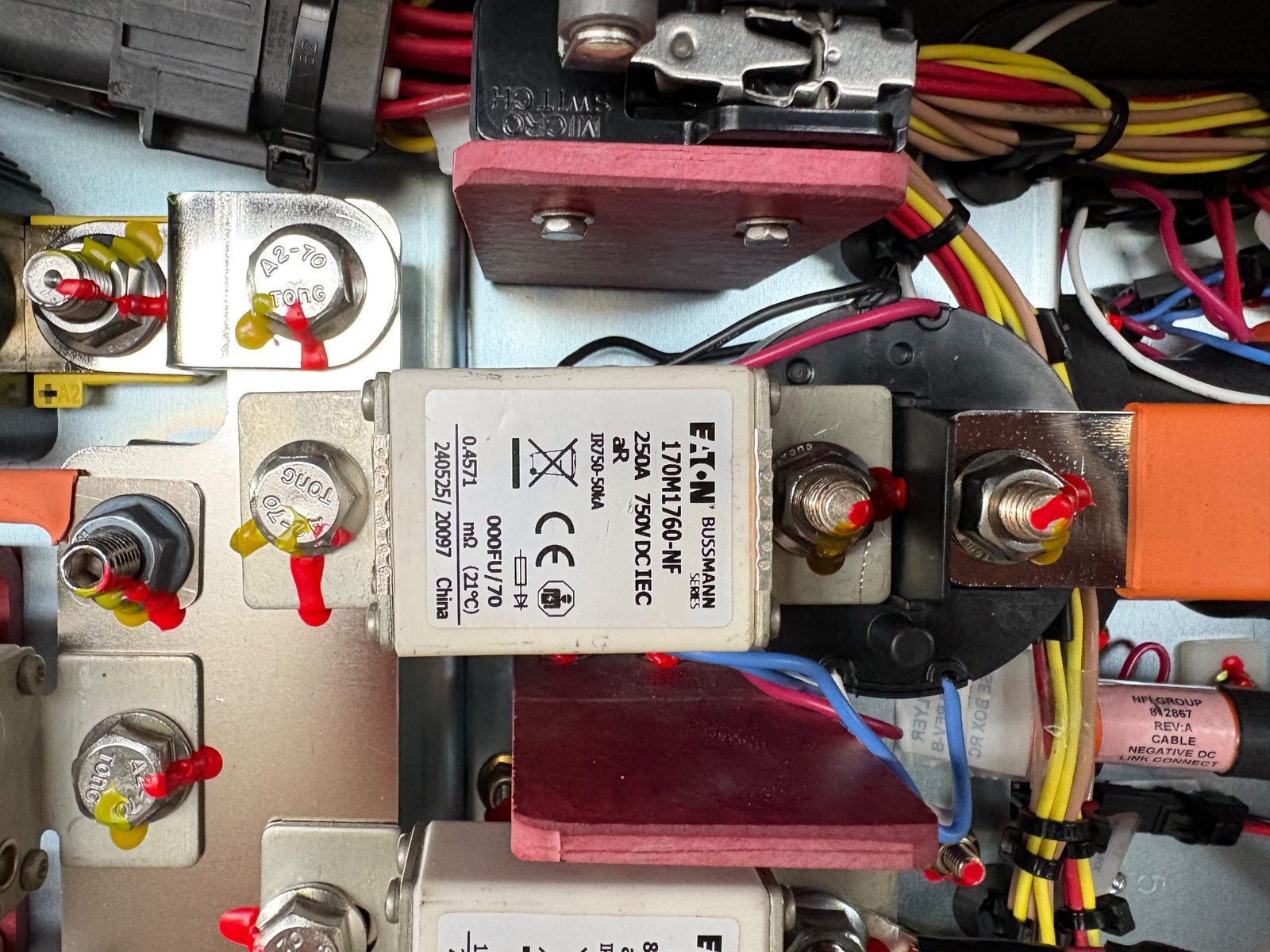
- Started without proper schematics, on a bus where parts of the wiring were mislabeled.
- Established that this was a prototype, not wired like the rest of the fleet.
- Asked what had changed. The no-start began right after a software update.
- Confirmed the update had changed the starting logic.
- Flashed the software back 1 revision. The bus started.
Root cause
A software update that changed the starting logic on a prototype bus.
The fix
Flash the software back 1 revision. No parts needed.
What this means for your team
When a vehicle stops working right after an update, the update is the first suspect. Asking what changed last can save weeks of swapping parts, especially on a prototype that does not match the drawings.
Ruling out the hardware first
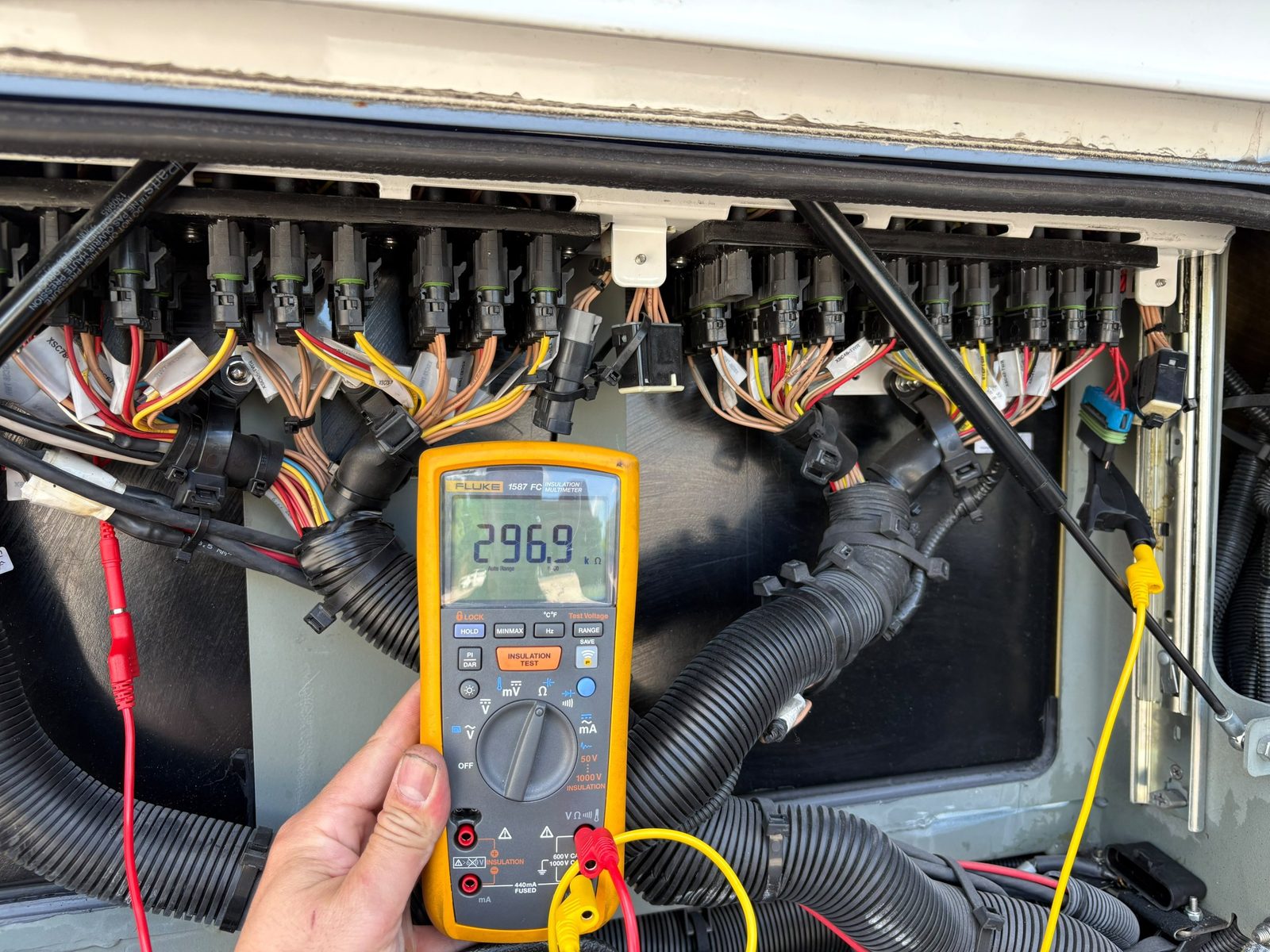
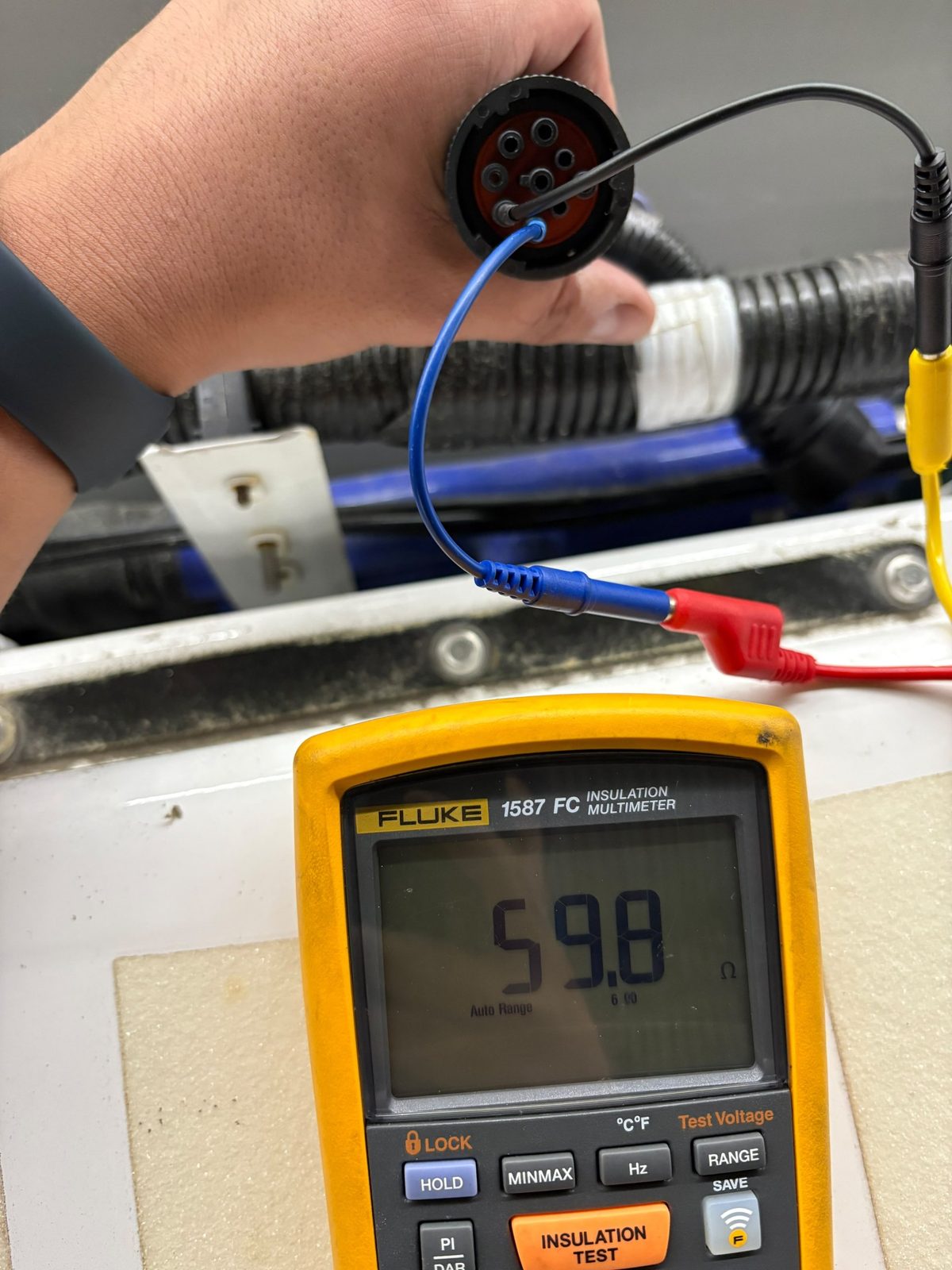
Before landing on the software, Sebastian checked the hardware on the same bus. The CAN network measured a healthy 60 ohms, and he traced a loss of high voltage isolation to an internal short in the auxiliary heater contactor. Both are on video below.
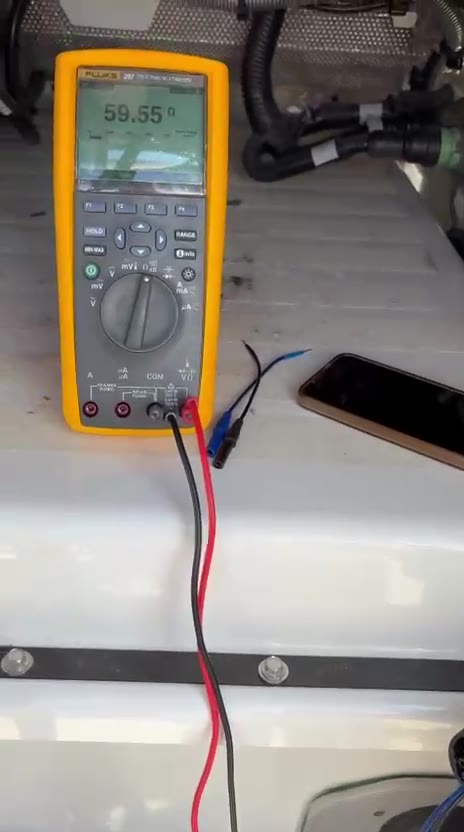
Checking the CAN network at 60 ohms
Verifying the wiring and terminators on the ESS2 circuit.
Watch the video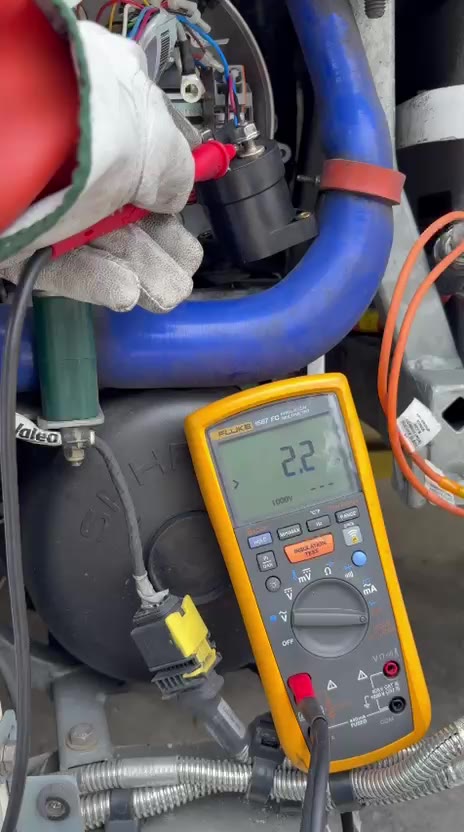
Tracing a high voltage isolation fault
Isolation drops with 1 connector plugged in and comes back at 2.2 GΩ.
Watch the video