Sebastian RiveraAdvanced EV and vehicle network diagnostics

Your team has chased the fault.The vehicle is still down.

OEMs, fleets and shops call me when a vehicle has been down for weeks or months and nobody can find why.

  • I find the fault.
  • I prove it with data.
  • I get it fixed.
On site
US and Spain
Remote
US and Europe
Discuss a vehicle issue See diagnostic cases
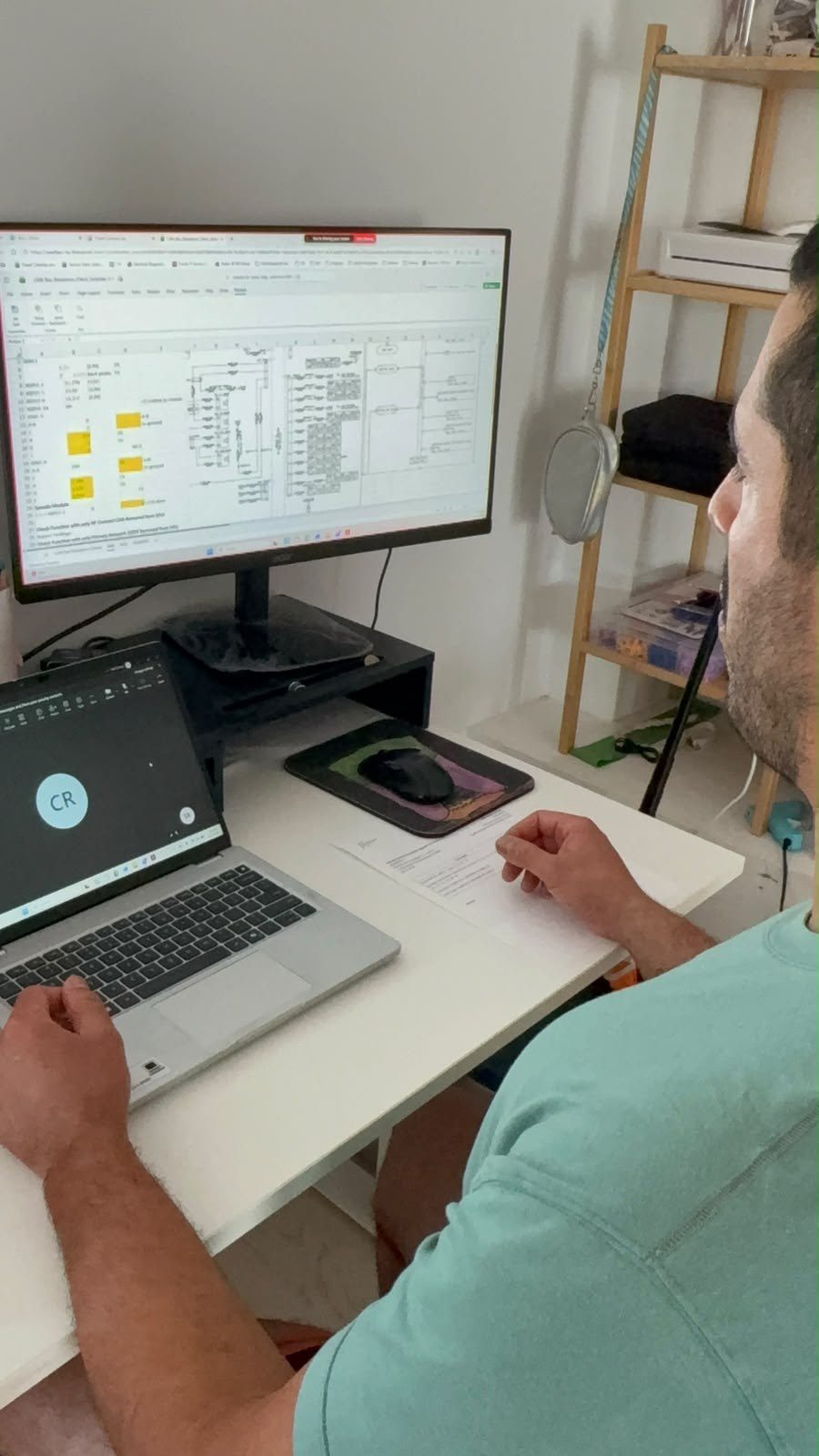
Sebastian at his desk diagnosing a vehicle remotely, with his diagnostic sheet and a wiring schematic on screen and the on-site tech on a video call
Live remote diagnosis. His diagnostic sheet and the schematic side by side, with the tech on site on the call.

Every day a vehicle sits, you're paying for it.

Contract penalties, missed service, techs stuck on 1 vehicle, and parts replaced that were never the problem. Here's what finding the real cause fast looked like on recent jobs.

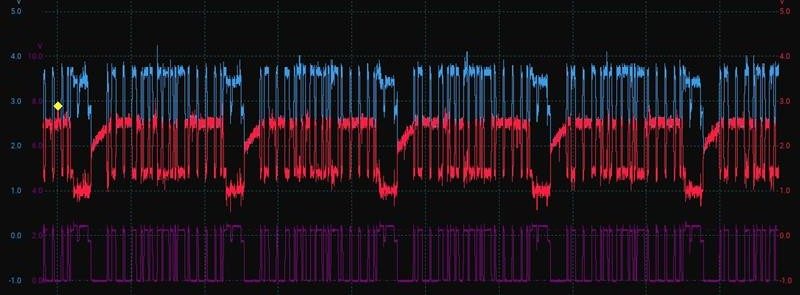
Real scope capture of the CAN network with the faulty module connected, showing distorted signalsFaulty module connected
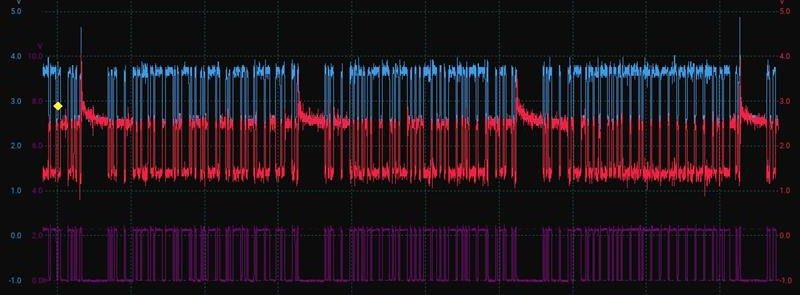
Real scope capture of the same network with the faulty module removed, showing clean signalsFaulty module removed

<8 hrs

to find the fault

$300K

in contract penalties on the line

Down4 months Foundunder 8 hrs

Electric bus, telematics silent

Everyone agreed it was a CAN problem. Nobody could say which network or why. The scope showed distortion at the end of every frame, and pulling modules 1 by 1 led to the culprit: the destination sign controller.

Portrait of Sebastian Rivera
Sebastian RiveraYou work with me directly, from the first call to the fix.

What I can do for you

  1. 1

    Resolve a difficult vehicle fault

    Network and high voltage faults your fleet or shop has already chased for weeks, and end of line vehicles that need to ship before the quarter closes. I come on site, or work with your tech remotely until it's fixed.

  2. 2

    Support an overloaded technical team

    When your field techs or service engineers are stuck, hand me the escalation. I work it on site or live with your team remotely, the way I did for EV fleets across North America at Lion Electric, Rivian and NFI.

  3. 3

    Develop technician capability

    Hands-on CAN and oscilloscope training on your own vehicles.

What I diagnose

Network diagnostics

  • CAN
  • CAN FD
  • LIN
  • SENT
  • MOST
  • FlexRay
  • J1939
  • Ethernet
  • Class 2
  • K Line
  • J1708
  • GM HSLAN

Electrical and high voltage

  • Low Voltage Diagnostics
  • High Voltage Diagnostics
  • HV Isolation Testing
  • Thermal Event Pinpoint Analysis

How remote support works

Your tech stays at the vehicle. I join live on a call, and we go through the diagnosis together, test by test.

Your team providesI provide
A technician at the vehicleA structured diagnostic investigation
Agreed equipment and vehicle accessGuidance on tests and interpretation
Available schematics, codes and logsDocumented findings and next steps

The CAN Method

How I diagnose every vehicle, on site or remote.Every step is logged in the diagnostic sheet you keep, so the fix comes with proof.

  1. 1

    Capture the symptom

    What the vehicle does, when it happens, the repair history, and the fault codes.

  2. 2

    Map the system

    Which circuits, modules and networks are involved, from wiring diagrams and network data.

  3. 3

    Measure

    Voltage, resistance, current, and oscilloscope or CAN traces of the network signals.

  4. 4

    Compare to spec

    Every reading goes into the diagnostic sheet next to the manufacturer's spec. Out of spec gets highlighted.

  5. 5

    Find the root cause

    Connect the bad readings to how the system was engineered. This is where most diagnoses stall: knowing a system from the textbook isn't knowing how it was built to work.

  6. 6

    Fix

    On site, I make the repair. Remote, I guide your technician to it, step by step.

  7. 7

    Prove the fix

    Re-measure after the repair, so the report shows before and after.

The diagnostic sheet you get

A real job: electric bus, intermittent cooling system faults. From my field report, with unit numbers and locations removed.

Tests performed

Mapped the cooling system and the network it talks on. Measured termination at 9 diagnostic ports, checked the network repeater, then watched the network live on the scope while the bus ran. Static checks kept passing. The live signal did not.

Expected and actual readings

TestExpectedMeasured
Termination, rear diagnostic portAbout 60 Ω115 Ω
Termination, 8 other portsAbout 60 Ω58.3 to 60.3 Ω
CAN-H path, during the faultAbout 1 Ω31 Ω, then 9 Ω

Findings

A connector that was never fully seated. The locking clip was open and the connector sat at an angle, so cooling fan vibration intermittently opened 1 wire of the network.

Repair verification

Before repair115 Ω or openIntermittent
After repairAbout 60 ΩStable on retest

The diagnostic sheet template I built is now used company-wide at a major bus manufacturer.

Got a vehicle that's been down for weeks? Send me what it's doing and what's been tried.

Discuss a vehicle issue

More diagnostic cases

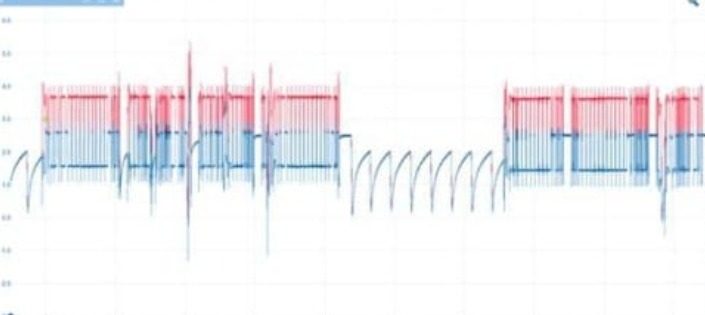
Real scope capture from a Rivian: network traffic, then a dropout to flat line, then traffic again
My scope capture. The flat stretch in the middle is the network dropping out.

2

networks dropping out

1

harness at fault

Rivian EV, 2 networks dropping out

Battery CAN and platform CAN were both dropping out. With the scope on both networks, I gently tugged the harnesses at E008. Every time, both networks dropped out, with CAN high and CAN low pulled down to ground. The fault was in the dash harness: replace it, clear the codes and retest.

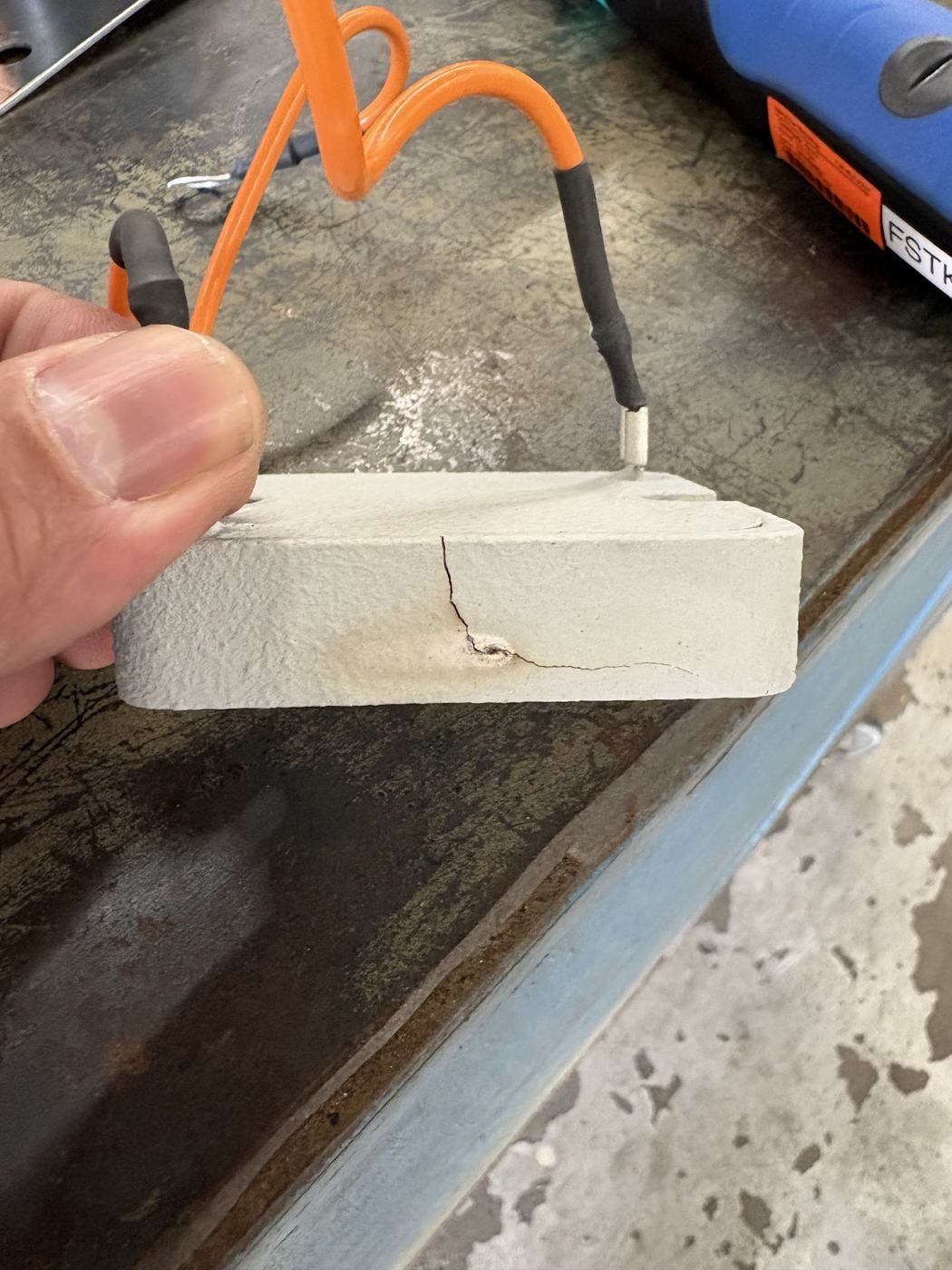
Hand holding a cracked, overheated ceramic pre-charge resistor removed from a battery pack

<3 hrs

to find the fault

$100K+

in penalties already lost, at $2,500 a day

Down6 weeks Foundunder 3 hrs

“We just replaced that pack.”

The data pointed at the pre-charge circuit in a battery pack the shop swore was new. It was a used pack of unknown condition. When the supplier opened it, the pre-charge resistor had exploded.

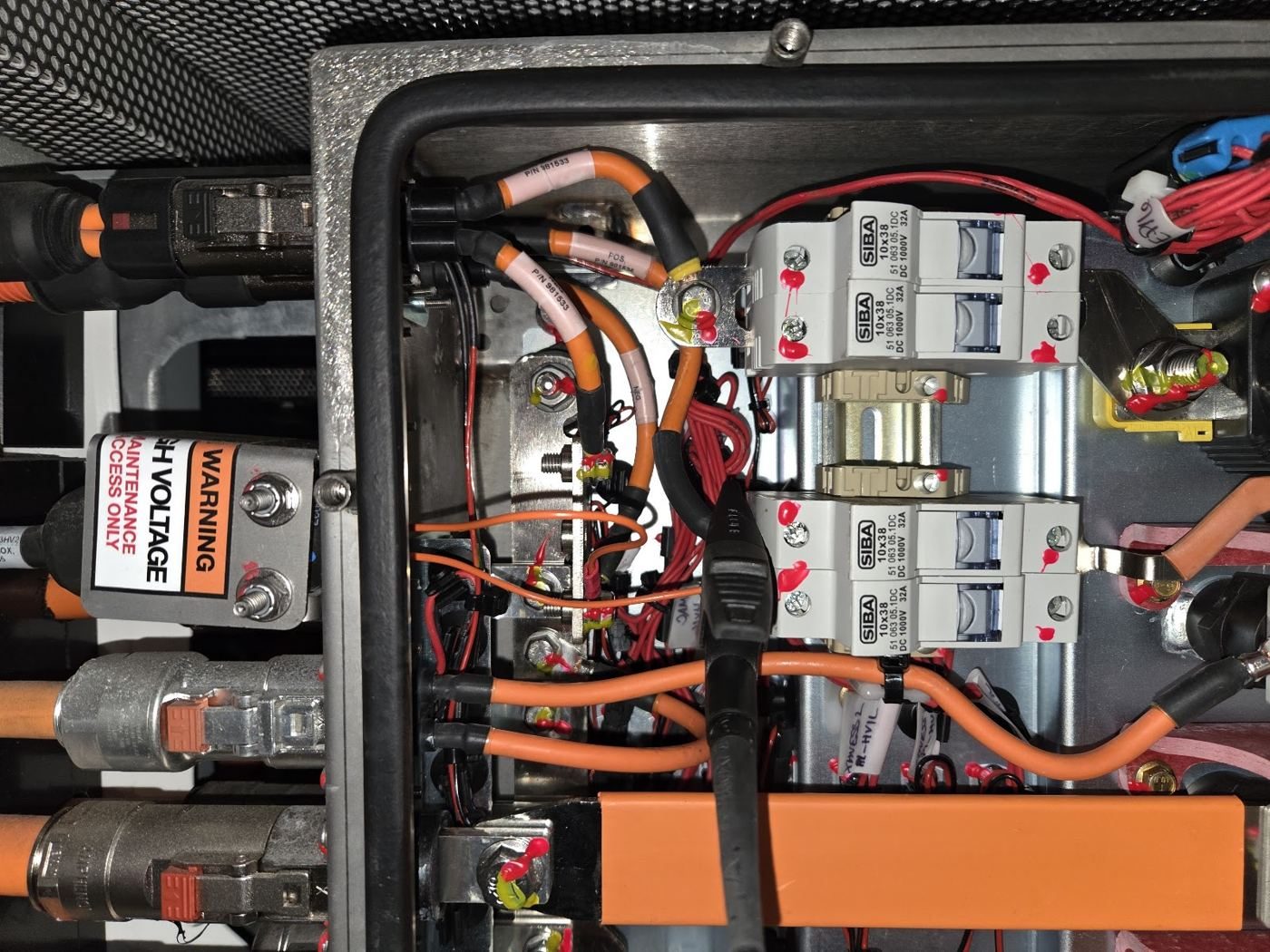
High voltage junction box with fuses, connectors and orange cabling

3 days

to find and fix it

14

technicians had already tried

Down6 months, on and off Found3 days

The fault that only showed up hot

14 technicians before me couldn't find the fault. The data pointed to vibration: a connector whose locking clip had never been latched. Every time the cooling fans kicked on, it shifted just enough to open 1 wire of the network.

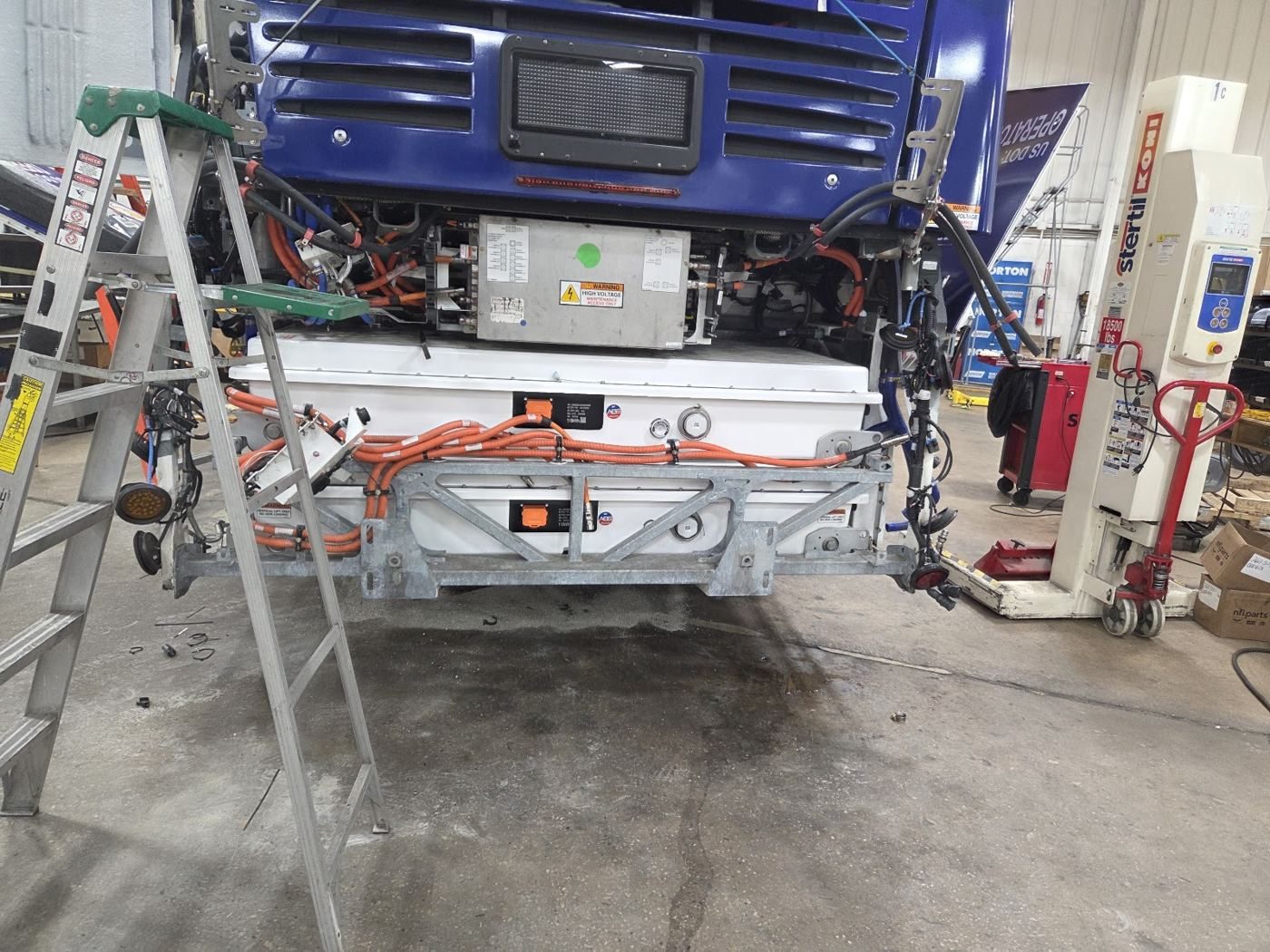
Front of a transit bus opened up on a lift for high voltage system work

30 min

to find the failing network

2

service centers had already tried

DownMonths Found30 min

Hydrogen bus, found on a lunch break

I was on site for training, not repairs. Over lunch, I isolated the failing network and flagged the gateway. The final finding: the wrong software had been installed on it.

Downtime gets worse the longer it lasts.

The daily penalty is only the start. A vehicle that sits for weeks or months keeps getting harder, and more expensive, to bring back.

$1.1M

Median price of an electric transit bus in the US in 2024. Every spare kept to cover a bus that's down ties up that much capital.

Source: Brookings, 2025

$460

In farebox fares the average New York City bus brings in every weekday. Every day it's in the shop, that's gone.

Sources: MTA and NYC Independent Budget Office, 2025 data

What happens to the vehicle

  • The 12V battery drains. On an EV, that can stop the high voltage system from waking up at all, and it throws new fault codes that bury the original problem.
  • The high voltage battery ages. Packs left too low or too high age faster. Drained too far, the battery cells reach a point where they can't be recovered, turning a wiring fault into a battery replacement.
  • Connectors and wiring degrade. Moisture, corrosion and rodents get to parked vehicles, so they often come back with more faults than they went down with.
  • Parts get borrowed. A vehicle down for months becomes a parts donor for the rest of the fleet. Every part pulled is another one to replace.
  • It falls behind. Software updates and recall campaigns get missed, adding work before it can return to service.

What it costs your business

  • More spare vehicles. Fleets buy and keep extra vehicles just to cover the ones that are down.
  • Lost service and revenue. Missed routes for transit. Lost jobs and late deliveries for commercial fleets.
  • Tech hours burned. Every week it sits, someone else takes a shot at it. In my cases, 14 technicians and 2 service centers on a single bus.
  • Parts thrown at it. Replaced parts that were never the problem are money spent with nothing fixed.
  • Strained relationships. Long downtime damages trust between a manufacturer and its customer. In 1 of my cases, it reached the point of legal action.
  • Warranty time lost. The warranty clock keeps running while the vehicle earns nothing.

Background

15+
Years in electric, hybrid and combustion vehicles
23+
People led in Rivian's service operation
ASE
Master certified, plus Advanced L1 to L4
US + EU
Contract directly in both, no sponsorship

Trusted with their hardest vehicles

Rivian

Led a 23+ person service operation. Wrote their first national recall strategy.

Revolv

Director of Fleet Engineering for commercial EV fleets.

Lion Electric

Escalation point for EV fleets across North America.

New Flyer

Tactical team, sent to buses down for months.

GM

Master certified on GM combustion and hybrid platforms.

“I like reaching out to you with our problematic buses because you are effective.”
Alex MorinRegional Product Service Manager, Boston
“You're good at diagnosing these hard ones. I want to watch your process. You're really good.”
Brandon GuerreroField Service Engineer, Rivian
“Everyone walked away with an awesome experience, and you are certainly someone for these new to industry guys to look up to.”
Tom ClarkeTechnical Trades Automotive Instructor

Certifications and training

See all certifications and training+

Recent OEM training

  • Ballard Level 2, hydrogen fuel cells
  • Vector CANalyzer, J1939
  • ZM8 Trucks Technical Training
  • Workhorse W4CC
  • Workhorse W56
  • PLCs and ladder logic

NFI

  • Field Resource Tactical Learning Plan
  • FTP Module 1 - Electrical Theory and Components
  • FTP Module 2 - Bus Systems and Troubleshooting
  • FTP Module 3 - Advanced Bus Systems and Troubleshooting

MCI

  • MCI Field Training - Phase 1
  • MCI Field Training - Phase 2
  • MCI Field Training - Phase 3
  • MCI Field Training - Phase 4

GM

  • Master Technician Certified in Steering & Suspension
  • Master Technician Certified in Brakes
  • Master Technician Certified in Engine Performance
  • Master Technician Certified in Automatic Transmissions
  • Master Technician Certified in Electrical/Electronic

Automotive Service Excellence

Master Technician

  • A1 Engine Repair
  • A2 Automatic Transmission/Transaxle
  • A3 Manual Drive Train and Axles
  • A4 Suspension and Steering
  • A5 Brakes
  • A6 Electrical/Electronic Systems
  • A7 Heating and Air Conditioning
  • A8 Engine Performance
  • A9 Light Vehicle Diesel Engines

Automotive Service Excellence

Advanced Level Specialist

  • L1 Advanced Engine Performance Specialist
  • L2 Electronic Diesel Engine Diagnosis Specialist
  • L3 Light Duty Hybrid/Electric Vehicle Specialist
  • L4 Advanced Driver Assistance Systems Specialist

Safety and compliance

  • DOT Inspector, 49 CFR 396.19
  • OSHA 10
  • EPA 609

EV safety and compliance

  • ASE xEV 1
  • ASE xEV 2
  • Rivian Level 2 HV Certification
  • New Flyer Field Service HV Qualification
  • NFPA 70E compliant
  • OSHA 29 CFR 1910.335 adherent

Education

  • B.S. Environmental Science, Concordia University
  • Automotive Technology, Universal Technical Institute

Questions

Is the first review free?+

Yes. Send me what's happening and what's been tried. I personally review whether it fits my expertise, at no cost, and reply within 1 business day. Diagnostic work starts once you've agreed to the scope and price.

Do you work in the US and Europe?+

Yes. On site, I come to wherever the vehicle is in the US and Spain. Remote, I work with teams across the US and Europe.

What vehicles do you work on?+

Electric, hybrid and hydrogen transit buses, EVs, commercial vans and trucks. Diesel and gas too.

Can you help remotely?+

Yes. Your tech stays at the vehicle and we go through the diagnosis together on a live call, so by the end you have a specific roadmap for the fix, not a list of suspects.

How do you charge?+

Service packages depending on need. Remote support is hourly at 50% of your door labor rate, with a $250 minimum.

What should I send you first?+

The vehicle, what it's doing, what's already been replaced or tested, electrical schematics and any fault codes or data logs with .dbc file.

Do you work in Spanish?+

Sí. I work in English and Spanish.
Got a vehicle nobody can fix? CAN Fixed.

What happens next

  1. 1Send the symptoms and what has already been tried.
  2. 2I personally review whether it fits my expertise. This first review is free, and I reply within 1 business day.
  3. 3You get a proposed scope and price before any diagnostic work begins.

Text or WhatsApp
US 708-228-2954
Europe +34 645 46 27 50
Email help@canfixed.com